Armed with baseline data from my 350g test roast, I approached the second Khun Kong Peaberry session with confidence. I had a plan, I had targets, and I had 650 grams ready to become a balanced medium roast showcasing citrus brightness and caramel sweetness. The roast had other ideas.
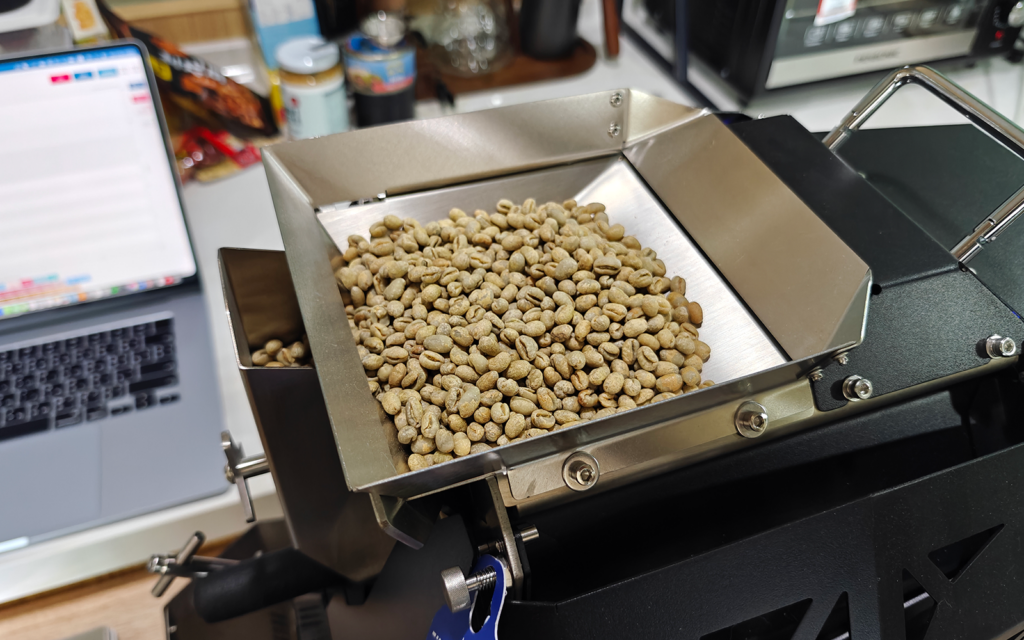
The Game Plan
Based on my first roast’s bean temperature (BT) data, I mapped out a profile designed to extract Khun Kong’s best qualities:
Target Timeline:
- Dry End (DE): 5 minutes 30 seconds @ 154°C – moderate pace to preserve acidity
- First Crack (FC): 11 minutes @ 183°C – extended 5min 30sec Maillard phase for caramel development
- Development Time: 3 minutes post-FC
- Drop Temperature: 199°C – aiming for classic medium roast
The strategy was sound: hit DE on schedule to maintain citrus notes, give plenty of Maillard time for sweetness complexity, then develop conservatively through first crack for a balanced cup. Total roast time: approximately 14 minutes.
What Actually Happened
The roast started promising. At 5 minutes 24 seconds, I nearly perfectly hit 154°C for dry end—just six seconds ahead of plan. Success, right?
Then everything accelerated.
Actual Timeline:
- Dry End: 5:24 @ 154°C ✓ (on target)
- First Crack: 7:54 @ 183°C ✗ (2min 30sec Maillard, not 5min 30sec)
- Heard Second Crack: ~194°C
- Drop: 196°C (3 seconds early from plan)
Instead of my planned leisurely 5.5-minute Maillard phase, the beans sprinted through in just 2.5 minutes. I found myself scrambling to adjust development time, but the damage was done—the momentum was irreversible.
The Second Crack Revelation
Here’s where my first roast data betrayed me. I had logged incorrect second crack (SC) temperatures during the baseline roast, which threw off my entire reference framework.
At approximately 194°C, I heard what sounded like second crack beginning. Panic mode. I wasn’t supposed to be near SC yet—I had planned to drop at 199°C for medium roast. I dropped at 196°C, thinking I was being conservative and preventing a dark roast.
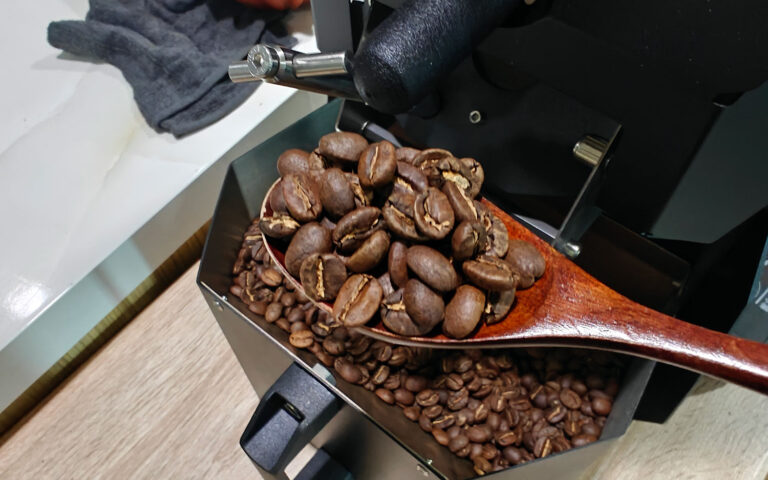
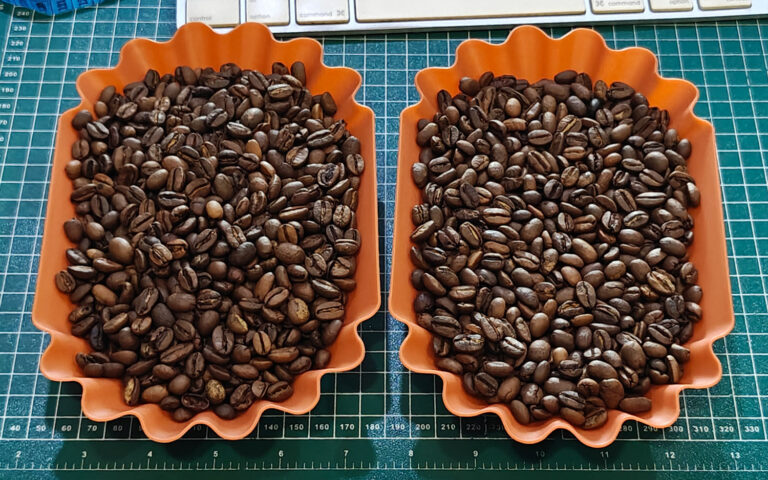
The beans told a different story after cooling. Despite dropping “early,” they exhibited clear dark roast characteristics—well past the medium profile I’d targeted.
The conclusion? Second crack actually starts around 195°C for Khun Kong Peaberry, not wherever I’d incorrectly noted in roast #1.
The Kaleido M6 Audio Challenge
This experience exposed a limitation I hadn’t fully appreciated: the Kaleido M6’s sound dynamics. Between the drum rotation noise and what seems like decent soundproofing (probably for safety and user comfort), hearing crack progression clearly is challenging.
Even first crack at 183°C sounded faint to me—almost questionable. Was that crack, or just beans tumbling? Second crack was similarly subtle until it became unmistakable, by which point the beans were already well into the transition.
For visual roasters accustomed to Aillio Bullets or other machines where crack sounds are crisp and obvious, the M6 requires adaptation. I need to rely more heavily on:
- Temperature markers
- Time elapsed
- Visual cues through the sight glass
- Perhaps even smell changes
Depending primarily on audio cues clearly isn’t reliable with this machine.
Lessons for next Roast
Two critical adjustments needed:
- Correct SC baseline: Second crack begins around 195°C, not my previously recorded (incorrect) temperature. This means my “safe” drop zone for medium roast is probably 191-193°C, not 196-199°C. (other roaster machine have the BT record for second crack are around 215°C, it just the Kaleido are different)
- Control the Maillard rush: That 2min 30sec sprint through Maillard versus my planned 5min 30sec suggests I didn’t reduce heat aggressively enough after DE. The M6’s thermal momentum carried the beans faster than anticipated.
The gap between 5:24 DE and 7:54 FC means heat was being applied too aggressively during the Maillard phase. I need earlier, more significant heat reduction immediately after dry end to slow that development and build the sweetness complexity this bean promises.
When Data Lies
This roast reinforced an uncomfortable truth: garbage data in, garbage plan out. My first roast’s incorrect SC temperature sent me into roast #2 with false confidence. I thought I understood the bean’s thermal behavior—I didn’t.
The positive spin? Now I actually do. Khun Kong Peaberry has revealed its true temperature personality. The next roast will benefit from accurate benchmarks and a healthy respect for how quickly this bean can run away from you in the Maillard phase.
Hope I will get a real Medium roast, but in different bean, coming soon.
Roast Status: Dark roast (unintended)
Key Discovery: SC @ ~195°C
Next Action: Aggressive heat reduction post-DE, drop @ 191-193°C
Roast Profile:
- DE: 5:24 @ 154°C
- FC: 7:54 @ 183°C
- SC (heard): ~194°C
- Drop: 196°C
- Maillard Time: 2:30 (planned 5:30)
- Development: ~2:06
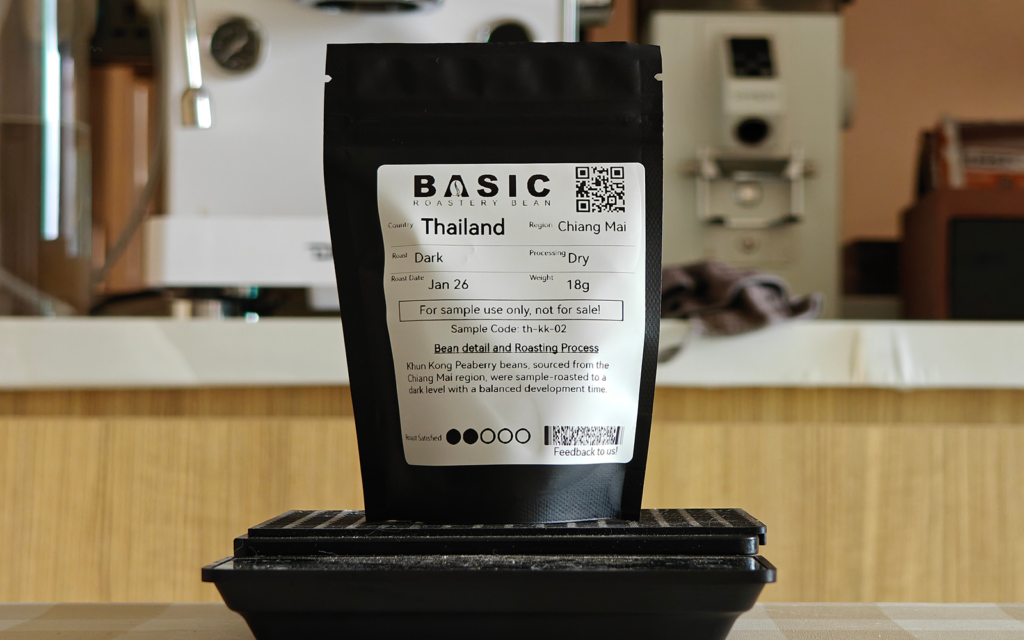
Khum Kong Peabearry Second Roast Sample
Feel free to request a sample if you’d like to try this second roast. It’s not perfect, but who knows – you might like it.