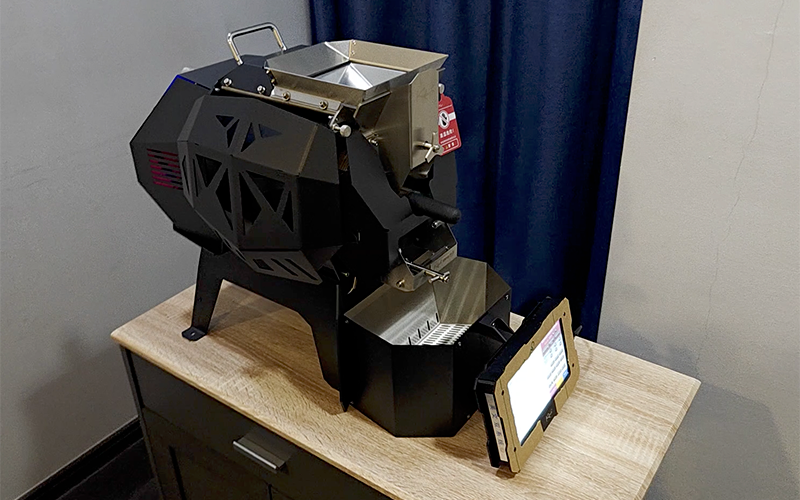
Kaleido M6
What I Wish I Knew Before My First Roast
When I first fired up my Kaleido M6, I thought I was ready. I’d been roasting on conventional roasters, had my profiles dialed in, and knew exactly what to expect at each temperature milestone. First crack at 195°C, second crack around 215°C, drop the beans somewhere between depending on the roast level I wanted. Simple, right?
Wrong.
The Shock of My First Roast
My first batch on the Kaleido was a disaster. Following my usual profile, I waited for first crack to hit around 195°C. And waited. And waited. By the time I heard the telltale pops, my bean temperature was only at 182°C. Confused but trusting my ears, I continued. The beans developed quickly—too quickly. By 205°C, I was already hearing second crack, a full 10 degrees earlier than I expected.
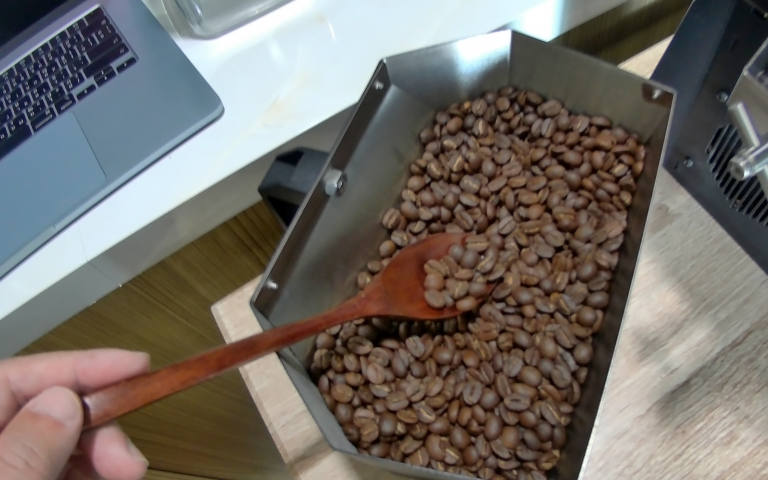
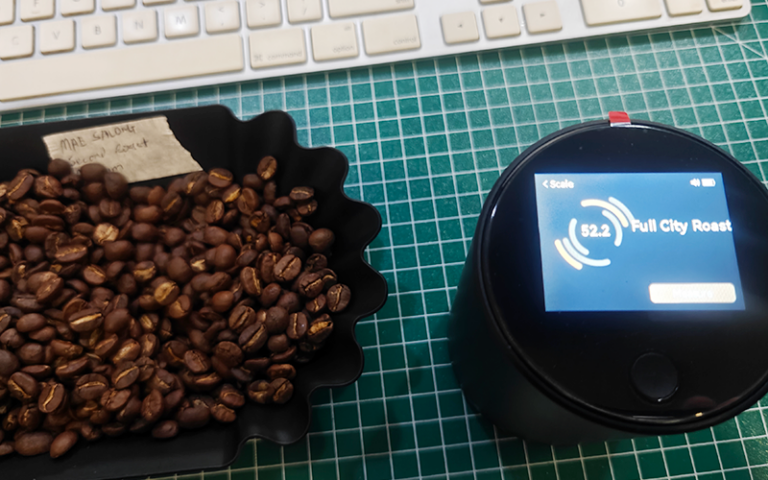
I dropped the beans in a panic at 208°C, certain I’d ruined them. When I cupped them the next day, they were dark, over-roasted, with that flat, baked quality that screams “you went too far.” I’d been chasing temperature numbers instead of trusting what the beans were telling me.
The 15-Degree Calibration Gap
After that painful learning experience and several more wasted batches, I finally understood what was happening: the Kaleido M6 reads approximately 15°C lower than conventional roasters for the same level of bean development.
On the Kaleido M6:
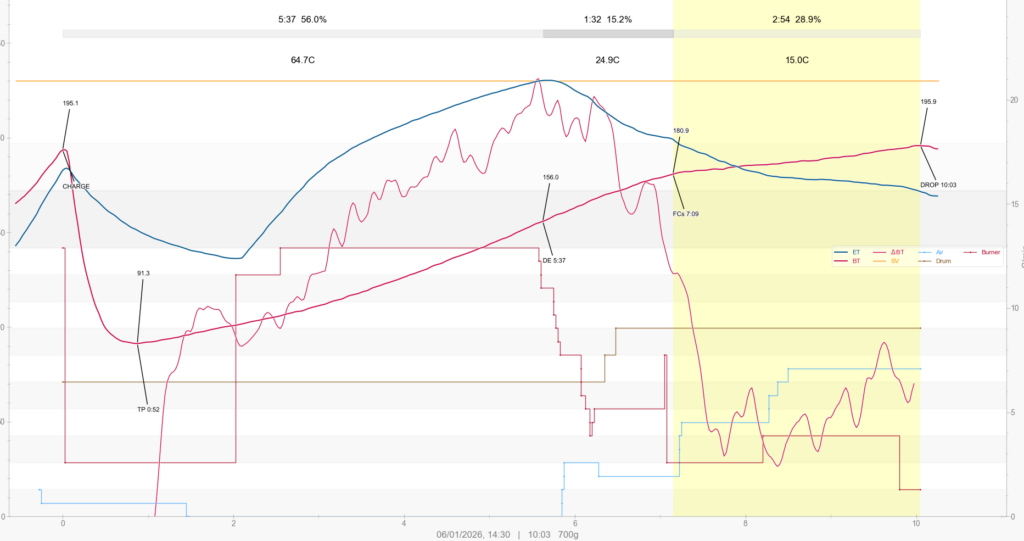
First Crack: 180-185°C
Second Crack: 195-205°C
On my previous roaster (and most conventional machines):
First Crack: ~195°C
Second Crack: ~215°C
This isn’t a defect or a calibration error—it’s simply how the Kaleido measures temperature. Whether it’s the probe placement, the drum design, or the airflow dynamics, the Kaleido’s thermometer reports consistently lower numbers for the same actual bean development stage.
Why This Happens (And Why It Matters)
The frustrating part? The beans don’t care what number the thermometer shows. They’re developing the same way they would in any roaster. The only difference is what the machine is reporting.
This is critical to understand because if you try to roast “by the numbers” using your experience from other machines, you’ll overcook every single batch. I learned this the hard way, turning perfectly good beans into charcoal because I was waiting for familiar temperature markers that would never come.
The Kaleido isn’t wrong—it’s just different. And once you accept that, everything clicks into place.