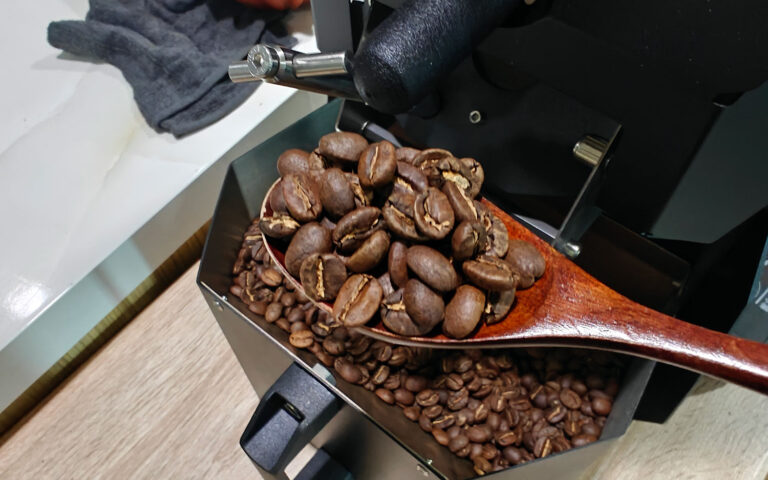
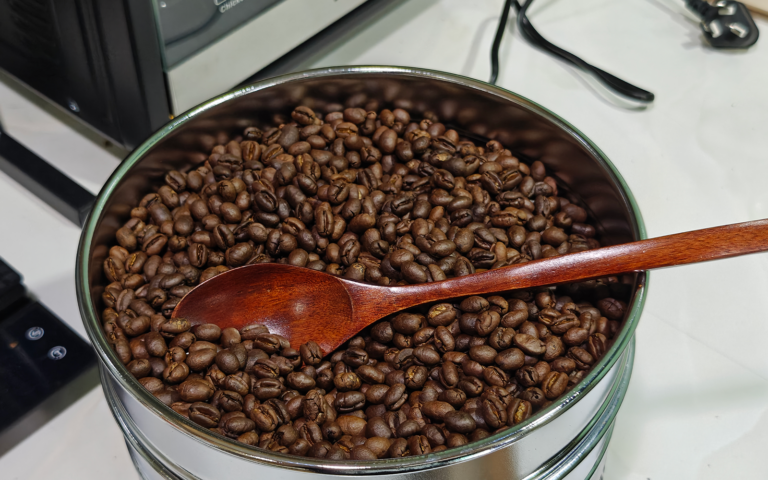
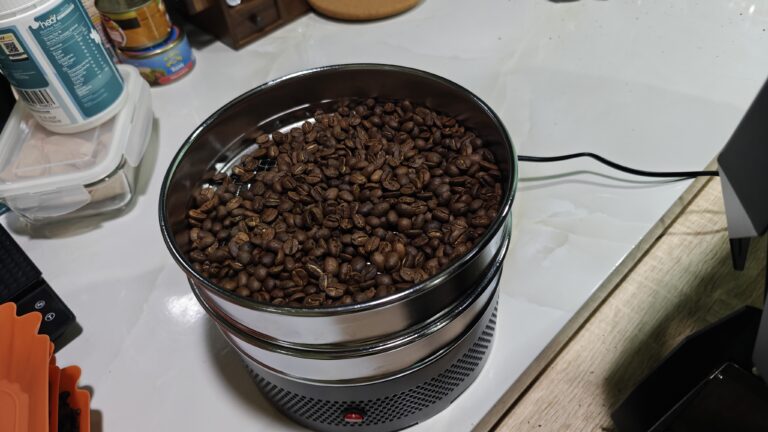
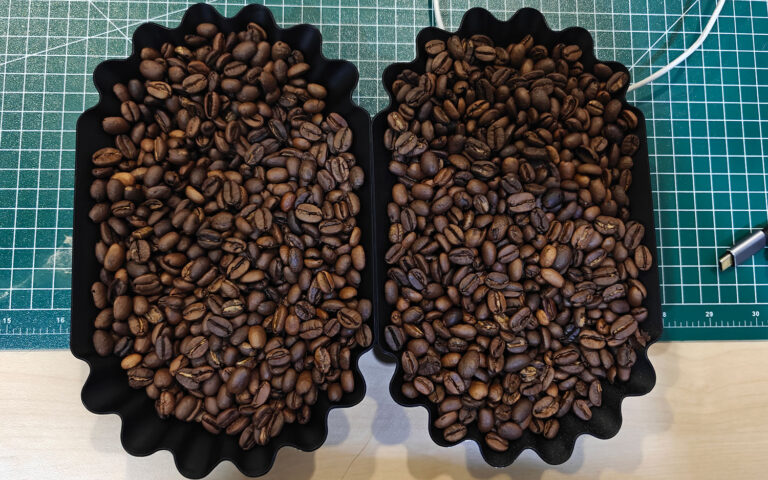
After my first experimental roast with Mae Salong beans, I came into round two with a clear plan. I mapped out timing targets designed to coax out specific flavors from this Chiang Rai gem. The reality? The Kaleido M6 had other ideas.
The Flavor-Driven Plan
Understanding that Mae Salong offers citrus or cherry brightness alongside cocoa or dark chocolate depth, finished with brown sugar or sugarcane sweetness, I structured my roast profile around these characteristics:
Target Timeline:
- Dry End (DE): 4 minutes 30 seconds – a quicker drying phase to preserve citrus acidity
- Maillard Reaction (DE to FC): 4 minutes 30 seconds – extended development time to build sugarcane sweetness
- Post-First Crack Development: 2 minutes 30 seconds – aiming for a medium roast that balances brightness with body
Total planned roast time: approximately 11 minutes 30 seconds.
The theory was sound: shorter drying phase for acidity retention, longer Maillard for sweetness development, and moderate post-crack time for a balanced medium roast.

What Actually Happened
Theory met reality—and reality won.
According to my Artisan profile logging, the roast told a different story:
Actual Timeline:
- Dry End: 5 minutes 37 seconds at 156°C – over a minute slower than planned
- First Crack: 1 minute 32 seconds after DE at 180.9°C – less than half my intended Maillard time
I underestimated the heat control needed during the drying phase. The temperature climbed too conservatively, adding precious time where I wanted momentum. Then, compounding the problem, I didn’t reduce heat aggressively enough after DE. The result? The beans rushed through the Maillard reaction faster than I could react.

The Kaleido Learning Curve Continues
This roast highlighted my ongoing struggle with heat management on the M6. I’m still learning how responsive—or delayed—the machine’s controls are. When I think I’m making a gentle adjustment, the beans sometimes feel it dramatically. When I think I’m making a bold change, sometimes… nothing happens quickly enough.
The slow DE phase likely locked in decent body but may have cost me some of that vibrant citrus I was chasing. The abbreviated Maillard phase concerns me more—did I give those sugars enough time to properly develop that sugarcane sweetness?
Lessons for Roast #3
I need to be more aggressive with heat application in the early phase to hit that 4:30 DE target. Just as importantly, I need to anticipate the Maillard phase and reduce heat earlier than feels intuitive. The M6 has momentum that continues even after adjustments.
The gap between planning and execution is where learning happens. Mae Salong beans are forgiving enough to keep teaching me, one roast at a time.
Roast Status: Incomplete control, valuable data Next Action: Earlier heat reduction, faster DE phaset. Edit or delete it, then start writing!
Artisan Profile