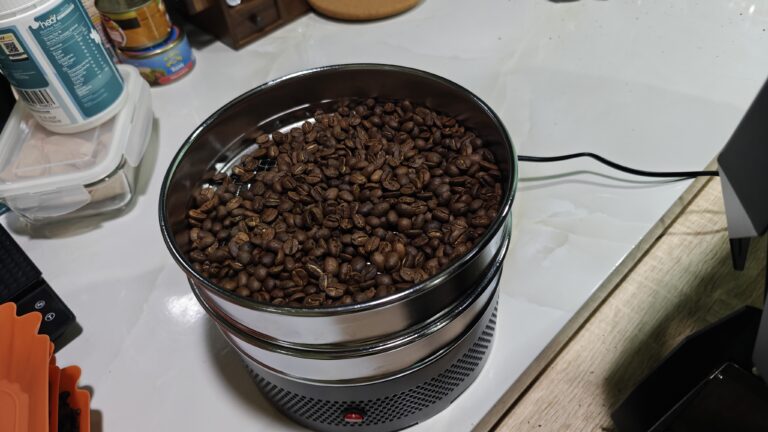
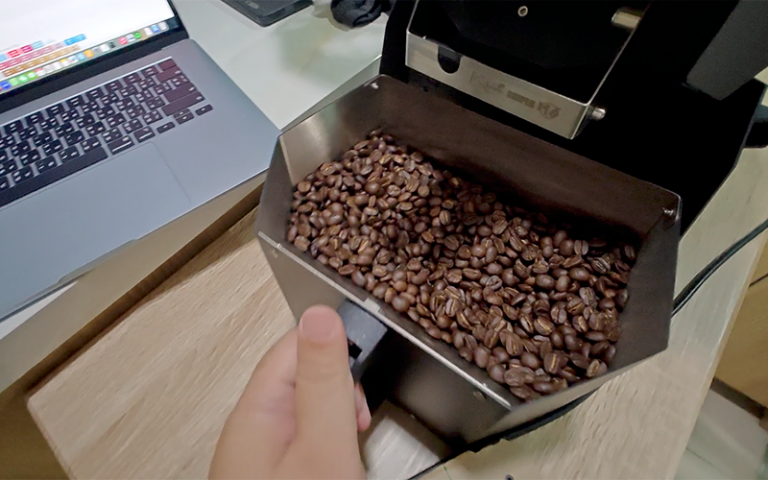
Sometimes roasting humbles you. After establishing solid baseline data from roast #1, I approached Catuai’s second roast with a clear plan, specific targets, and confidence built from recent successes. The Kaleido M6 had other ideas. This roast became a masterclass in how quickly things can derail—and how panic decisions compound problems rather than solve them.
The Master Plan (That Didn’t Happen)
I went in with what seemed like a well-reasoned profile:
Target Timeline:
- Dry End (DE): 4:30 @ 149°C – shorter than roast #1’s 5-minute DE
- Maillard Phase: 4:40 to FC – extended sweetness development
- First Crack (FC): 9:10 @ 185°C
- Development Time: 2:23 post-FC
- Drop: 11:33 @ 203°C – before second crack for medium plus roast
Target Phase Distribution:
- DE: ~39%
- Maillard: ~40%
- Development: ~21%
The philosophy: shorten the drying phase from roast #1’s heavy 48%, invest more time in Maillard to develop complexity, and drop conservatively before second crack to preserve those fruit notes that natural anaerobic processing promised.
Solid plan. Terrible execution.
What Actually Happened: A Timeline of Mistakes
Batch Size Miscalculation
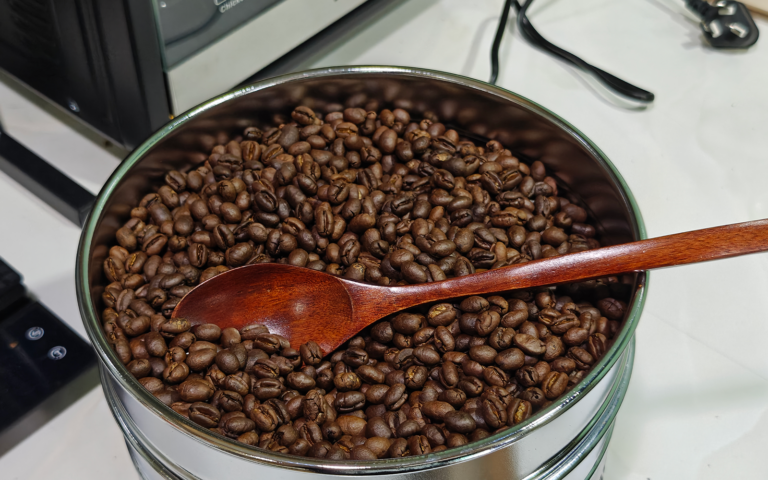
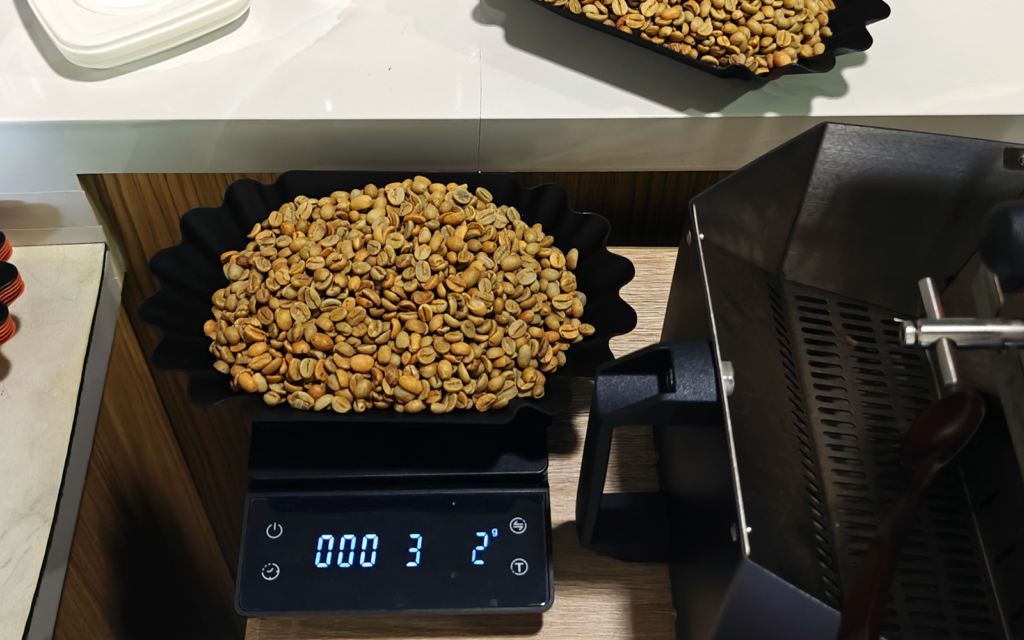
I loaded 660 grams—nearly double roast #1’s 340g test batch. Larger mass means different thermal dynamics, and I underestimated the heat needed from the start.
Mistake #1: Slow Dry End
Actual DE: 5:18 @ 149°C (planned 4:30)
I took even longer to reach dry end than my baseline roast—exactly what I was trying to avoid. The problem? I should have pushed heat to maximum immediately after the turning point (when bean temperature stops dropping and starts climbing). Instead, I was conservative, hoping for gradual control.
With 660 grams of thermal mass, conservative heat application just meant sluggish progression. I wasted 48 seconds compared to my already-too-slow first roast.
Mistake #2: Inadequate Heat Reduction Post-DE
Because I’d been running low heat to reach DE, the beans were at 149°C but the roaster environment was relatively cool. I reduced heat after DE as planned, but there wasn’t enough built-up thermal momentum to carry through Maillard efficiently.
Actual Maillard Time: 2:49 (planned 4:40)
Less than half my planned Maillard phase. This is disastrous for sweetness development. Those berry flavors, that fruit complexity—they needed time to integrate with caramelizing sugars. I gave them barely three minutes.
The FC Surprise: First crack arrived at 181°C, not 185°C as in roast #1. This 4-degree difference threw me off. Was it the larger batch size conducting heat differently? The slower DE phase changing bean structure? Either way, FC came earlier than expected, both in temperature and time.
Mistake #3: Panic Heat Reduction
After FC at 8:07, I panicked. The Maillard phase had already been too short. I was behind schedule. My brain screamed “You’re losing control! Slow this down!”
So I reduced heat too aggressively after first crack.
Result: Heat loss. The bean temperature curve flattened. Instead of climbing steadily toward my 203°C target, the BT barely crawled upward. I watched helplessly as seconds ticked by without meaningful temperature gain.
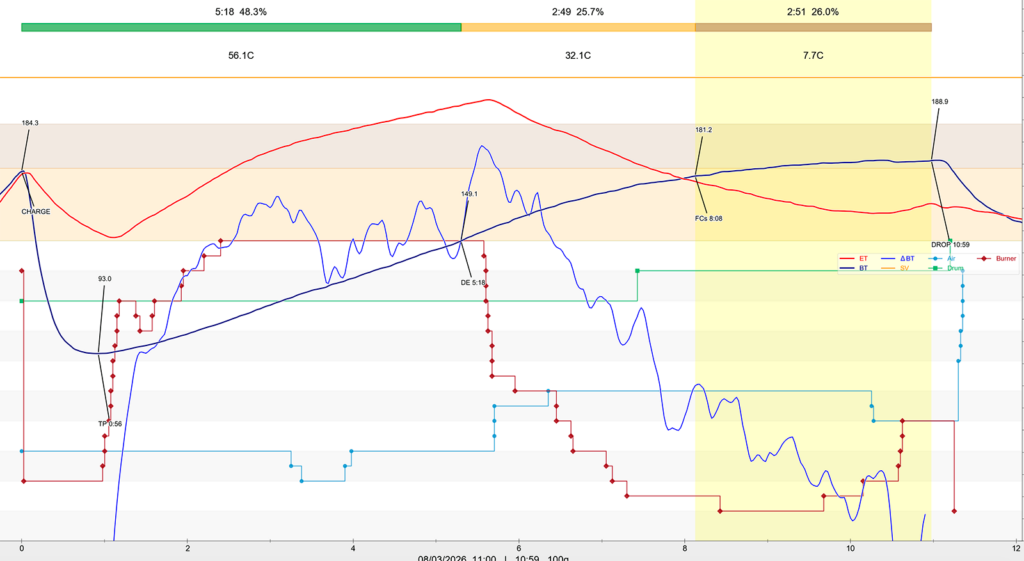
Actual Development Time: 2:51 (planned 2:23)
I spent longer in development than planned, but not because of good control—because I’d killed the heat and couldn’t recover momentum. The beans were stuck, slowly inching toward… something.
The Emergency Drop
At 10:58, I gave up. The BT was nowhere near my planned 203°C drop temperature. The roast curve looked terrible. The phase percentages were a disaster. I dropped the beans and hoped for the best.
Drop: 10:58 @ unknown final BT (somewhere below 203°C)
The Damage: Phase Distribution Catastrophe
Actual Phase Percentages:
- DE: 48.3% (target ~39%)
- Maillard: 25.7% (target ~40%)
- Development: 26% (target ~21%)
Let’s break down how badly this missed:
- DE phase bloated to 48.3%: Nearly identical to roast #1’s problem. I learned nothing and repeated the same mistake.
- Maillard phase collapsed to 25.7%: This is the killer. I planned 40%—the heart of sweetness and complexity development. I delivered barely over half that. Underdeveloped Maillard means flat sweetness, missing body, incomplete flavor integration.
- Development phase swelled to 26%: Over-extended because I panicked and killed heat. Beans sitting in stalled development isn’t “extra refinement”—it’s just time wasted without productive temperature climb.
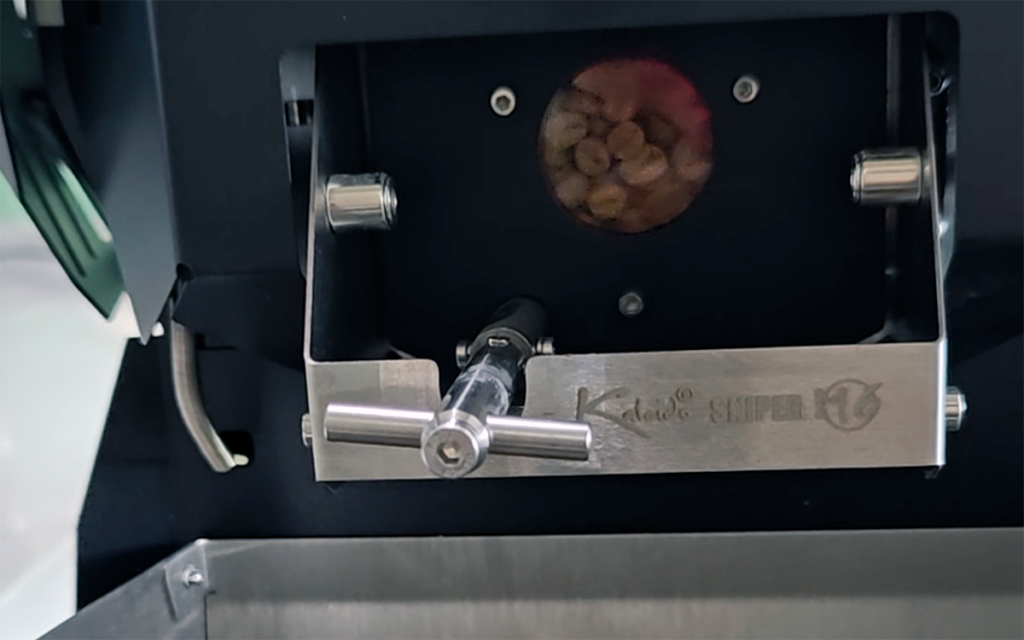
Medium Roast? Medium-Plus? Who Knows?
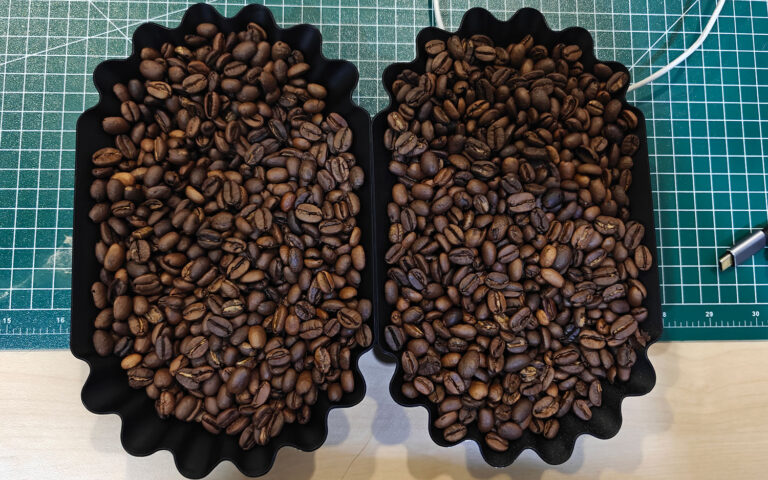
Honestly, I don’t know what roast level this is. I need to check the Agtron color reading to know for certain.
My plan was medium-plus (203°C drop before SC at 205°C). My reality was dropping somewhere below 203°C after a stunted Maillard phase and stalled development.
This could be:
- Below medium: If the final BT was significantly under 200°C
- Medium: If I somehow landed 196-200°C despite the chaos
- Medium-plus: If residual heat carried it higher than the BT reading suggested
The Artisan profile will tell me the truth. The Agtron reading will confirm it. For now, I’m in roasting limbo—uncertain what I actually produced.
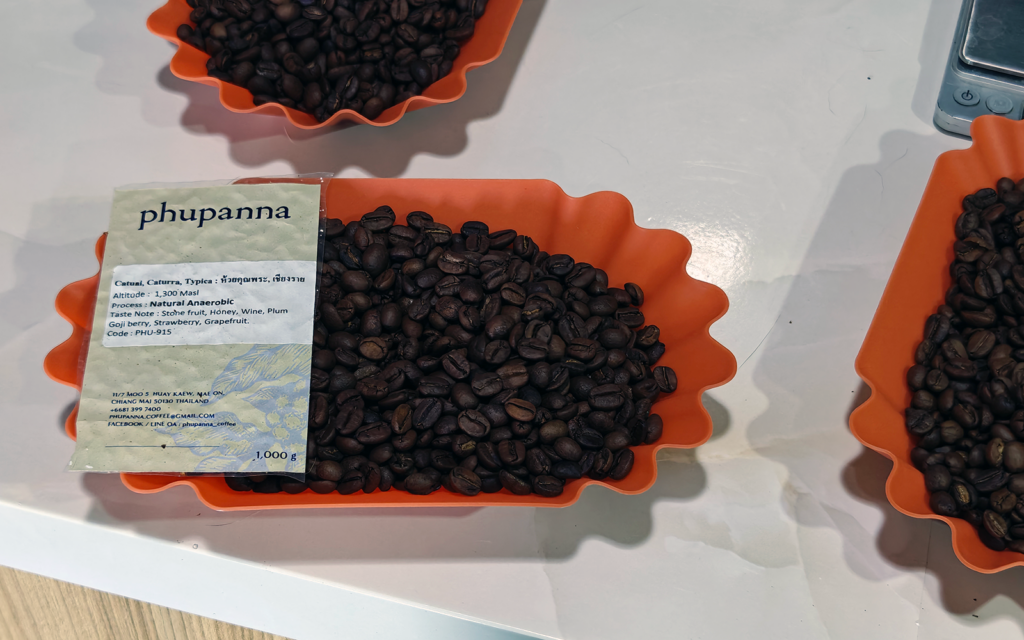
What Went Wrong: Root Cause Analysis
660g Batch + Insufficient Initial Heat: I needed maximum heat immediately after turning point. Treating a 660g batch like a 340g batch guaranteed slow DE.
No Thermal Momentum Post-DE: Because I’d run cool to reach DE, there wasn’t enough stored heat to power through Maillard. I reduced heat into a cold environment.
Panic Response to Short Maillard: Instead of accepting the short Maillard and managing development carefully, I over-corrected by killing heat entirely. This created a different problem (stalled development) without solving the original one (insufficient Maillard time).
Batch Size Ignorance: I still don’t fully understand how batch size changes my heat management needs on the M6. 340g vs 660g isn’t just “double the time”—it’s fundamentally different thermal behavior.
The Silver Lining (If There Is One)
I learned—painfully—that:
- Batch size demands heat strategy adjustment: More beans need more aggressive early heat
- Thermal momentum matters: You can’t reduce heat into nothing and expect smooth progression
- Panic corrections make things worse: One mistake (short Maillard) led to another mistake (excessive heat reduction) which created a third problem (stalled development)
- Phase percentages reveal everything: Numbers don’t lie. 48-26-26 tells the story of a chaotic roast better than any narrative.
Next Steps
- Check Agtron color – Confirm actual roast level
- Cup this batch – Taste the consequences of short Maillard and stalled development
- Review thermal mass principles – Understand 660g batch heat requirements
- Plan heat application curve – Not just “add heat” but specifically when and how much for this batch size
Catuai deserves better than this. That intense fruit aroma from the bag promised something special. I need to stop sabotaging it with heat management failures.
Roast Status: Uncertain – awaiting Agtron confirmation
Phase Balance: 48.3% / 25.7% / 26% – poor execution
Self Assessment: 2/5 – major heat management failures
Next Action: Cup evaluation and batch-size heat strategy revision
No more Catuai bean, I will try to roast my ffirst Robusta bean next!
Roast Profile Roast #2:
- Batch Size: 660g
- DE: 5:18 @ 149°C (48.3%)
- FC: 8:07 @ 181°C (25.7% Maillard – severely short)
- Drop: 10:58 @ <203°C (26% Development – stalled)
- Total Time: 10:58
- Result: Unknown roast level, compromised development