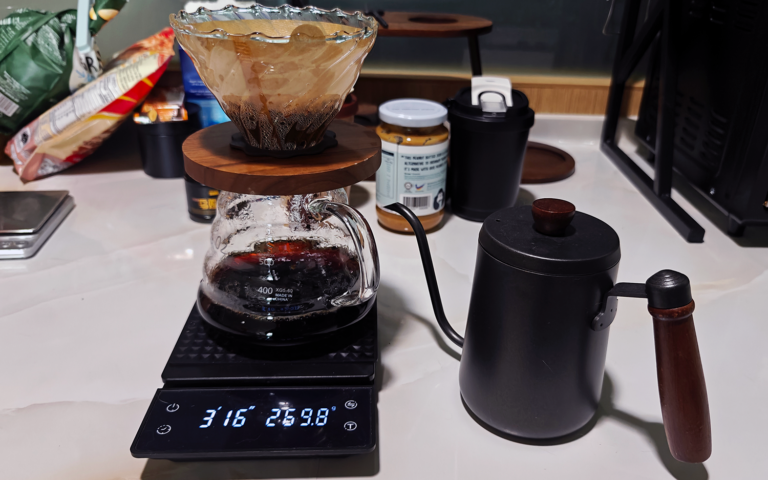
After accidentally pushing Khun Kong Peaberry into dark roast territory (thanks to my second crack miscalculation), it was time to face the consequences in the cup. I tested two brewing methods—espresso and V60 hand drip—hoping to find redemption in extraction. Spoiler: dark roast doesn’t lie.
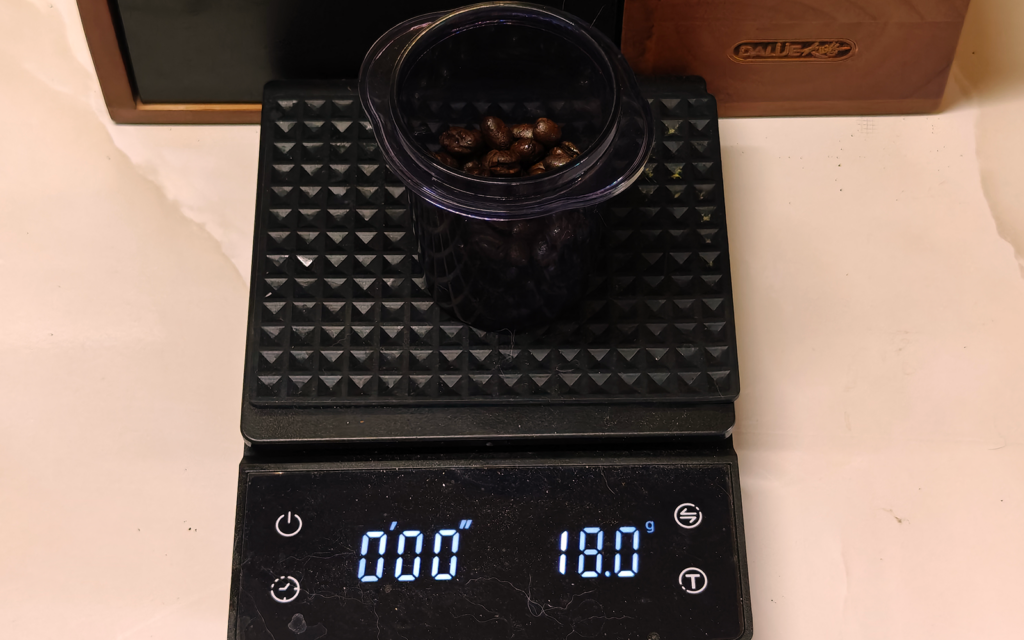
The Bean Context
As a reminder, this Khun Kong Peaberry batch went darker than intended. My plan was medium roast at 199°C, but incorrect second crack data led me to drop at 196°C—which still resulted in dark roast characteristics. Combined with a rushed 2.5-minute Maillard phase instead of my planned 5.5 minutes, these beans had strikes against them before brewing even began.
Dark roasts are known for pronounced bitterness and roast-forward flavors that can overshadow origin characteristics. I expected this, but tested anyway. Sometimes you need to taste your mistakes to truly understand them.
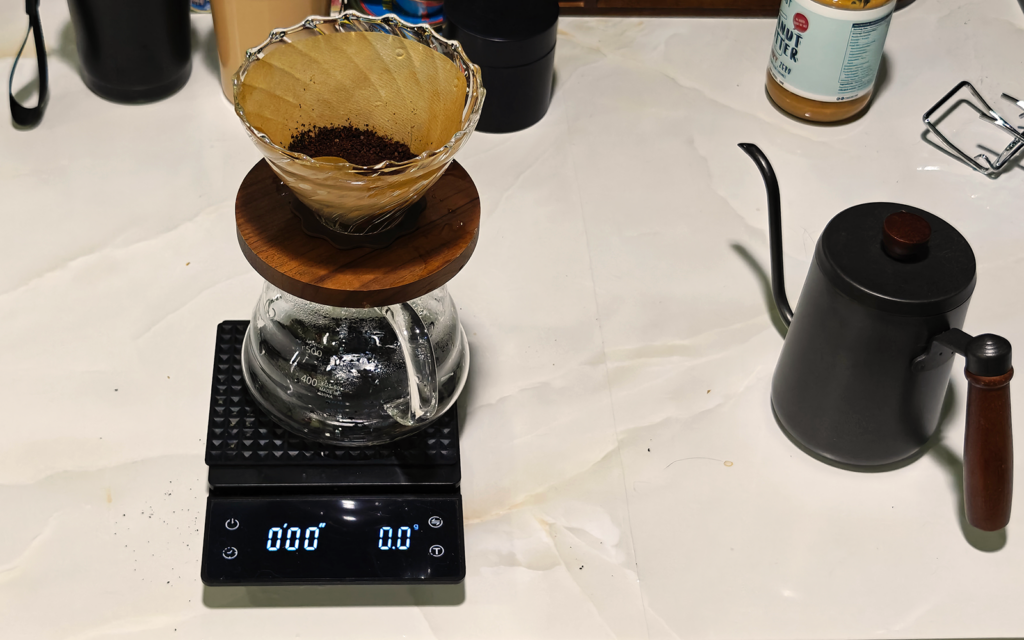
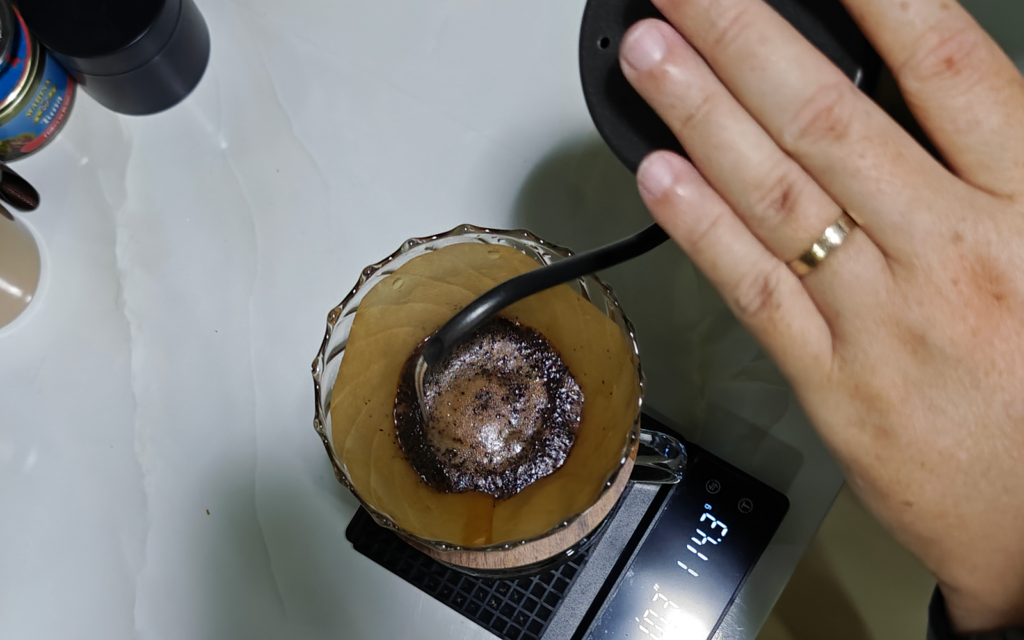
Brewing Test #1: V60 Hand Drip
I went into the V60 brew with optimism. Pour-over methods typically extract more delicately than espresso, highlighting brightness and clarity while moderating bitterness. Surely this would tease out some of Khun Kong’s promised caramel and citrus notes beneath the dark roast char, right?
Not quite.
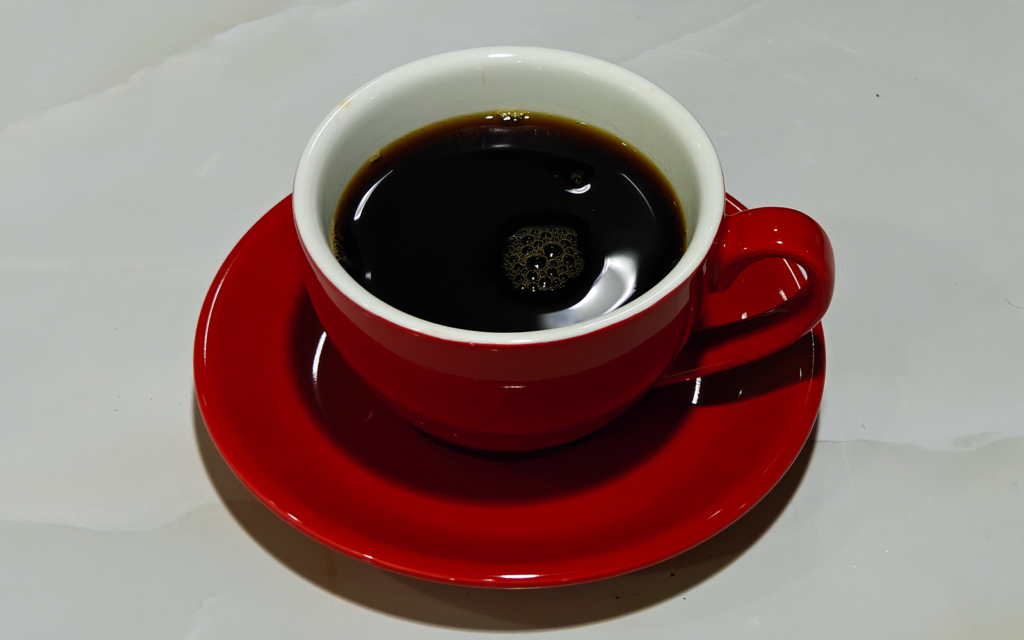
The cup was bitter. Noticeably, unavoidably bitter. Whatever subtle flavor notes existed in the green bean had been overwhelmed by roast development. The clean extraction of the V60 didn’t rescue the coffee—it just delivered the bitterness more clearly.
No hidden complexity. No surprise citrus. Just dark roast doing what dark roast does.
Brewing Test #2: Espresso
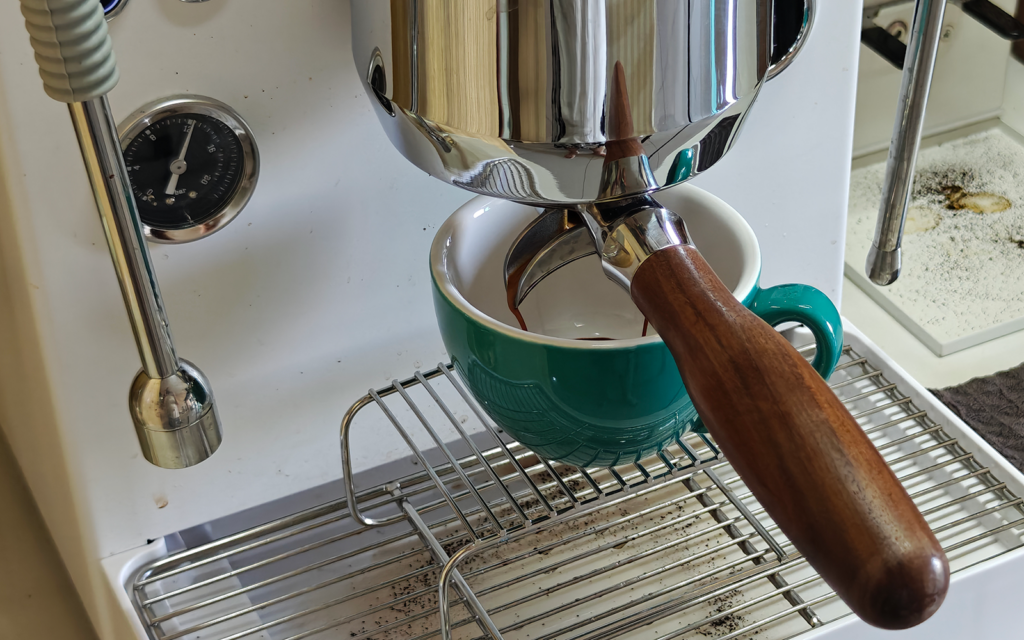
Given the V60 results, my expectations for espresso were low. Espresso’s concentrated extraction and pressure typically amplify both the best and worst characteristics of a coffee. With a bean this dark, I braced for intense bitterness.
The espresso was indeed bitter—but surprisingly, I preferred it to the hand drip.
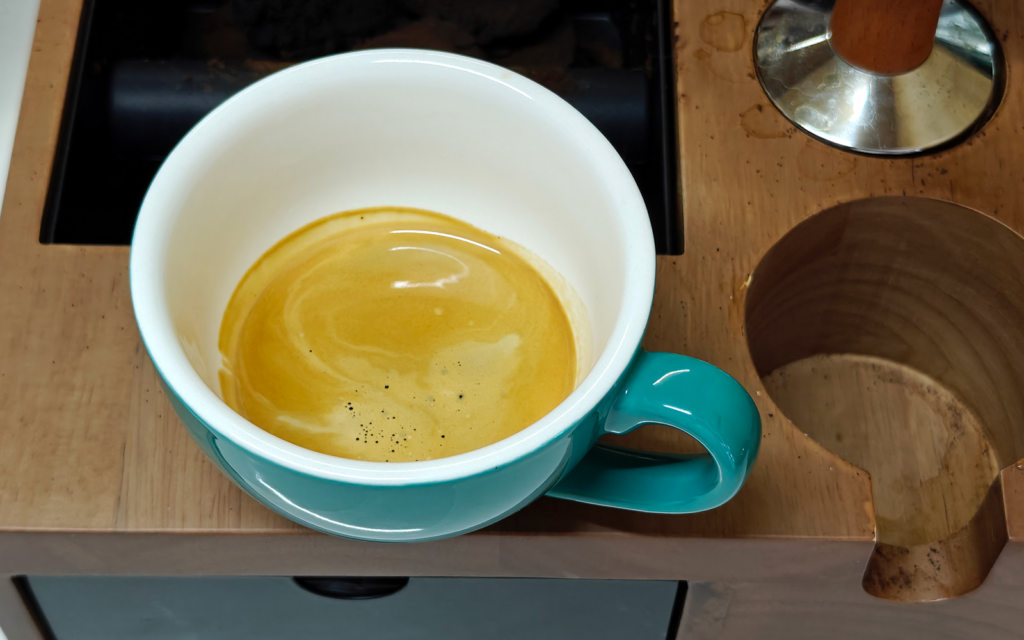
Here’s my theory: espresso’s body and concentrated sweetness (what little remained after the dark roast) provided more structure than the V60’s clean but unforgiving clarity. The bitterness was present, but it had company—some residual sweetness and fuller mouthfeel that made it more tolerable.
Still not great. Just comparatively better.
The Milk Solution
Americano/Long Black: Diluting the espresso with hot water helped significantly. The bitterness spread out across more liquid, becoming less aggressive while maintaining some body. This was notably more drinkable than straight espresso or V60.
Latte (my wife’s verdict): She tried it as a latte and reported it was “actually okay.” The milk’s fat and sweetness successfully masked the bitterness, creating a more balanced drink. For dark roasts, milk-based preparations are genuinely the most forgiving approach.
The Honest Assessment
This result was expected given the roasting errors:
- Short Maillard time (2:30 vs planned 5:30) – Insufficient sugar development meant less sweetness to balance roast bitterness
- Unintended dark roast level – Pushed beyond where origin characteristics survive intact
- Second crack advancement – Once SC begins, bitterness compounds rapidly
No brewing method can rescue poorly executed roasting. I can extract efficiently, dial in ratios, control temperature—but I can’t brew back the caramelized sugars that never developed or restore the origin notes that roasted away.
Recommendations
If you want to try this batch (samples available while supplies last):
- Best approach: Milk-based drinks (latte, cappuccino, flat white)
- Acceptable: Americano or long black
- Challenging: Straight espresso
- Not recommended: Pour-over or filter methods
This batch works best when you want dark roast character and plan to use milk. It won’t satisfy anyone seeking origin expression or delicate flavor notes.
The Silver Lining
These beans taught me more than a perfect roast would have. I now understand:
- How short Maillard time impacts cup quality, not just roast color
- Why accurate second crack identification matters for final flavor
- That brewing can’t fix roasting mistakes, only make them more or less drinkable
My next Khun Kong roast will apply these lessons. Proper Maillard development, correct drop temperature, and a genuine medium roast should reveal what this bean actually wants to express—not what my errors forced it to become.
Brewing Verdict: Dark roast confirmed
Best Preparation: With milk
Lesson Learned: Roasting decisions determine cup quality more than brewing skill
Sample Availability: Limited quantities while supplies last
Brew Parameters Tested:
- Espresso: 1:2 ratio, standard extraction
- V60: Standard pour-over technique
- Preferred: Americano/Long Black > Espresso > V60