Coffee is one of the most beloved beverages worldwide, and at the center of every exceptional cup lies the Roasted Coffee Bean. From its rich aroma to its complex flavor profile, the roasting process transforms ordinary green coffee beans into the flavorful beans we know and love.
Whether you’re a casual coffee drinker or a passionate enthusiast, understanding the journey of a roasted coffee bean can significantly improve your coffee experience. This comprehensive guide explores everything you need to know about roasted coffee beans, including their production, flavor characteristics, health benefits, brewing methods, and future trends.
Introduction to Roasted Coffee Bean
Coffee has become more than just a morning beverage. It represents culture, craftsmanship, and community. The roasting process is where coffee truly comes alive, unlocking flavors, aromas, and textures hidden within the raw bean.
A properly roasted coffee bean can produce notes ranging from chocolate and caramel to citrus and floral tones. Understanding these characteristics helps consumers make informed choices and enjoy coffee at its best.
What Is a Roasted Coffee Bean?
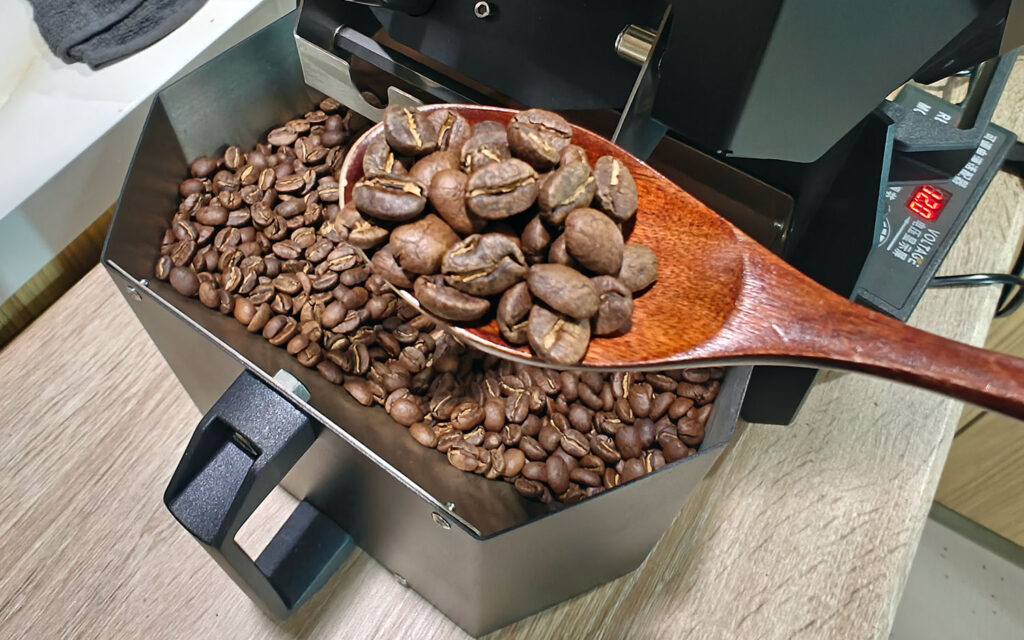
A roasted coffee bean is simply a coffee bean that has been heated to bring out the flavors and aromas we associate with coffee. Before roasting, coffee beans are actually green, hard, and have very little coffee smell. During the roasting process, the beans change color, expand in size, and develop a wide range of flavors, from fruity and floral to chocolatey and nutty. While roasting is an essential step in making coffee enjoyable to drink, there is no single “perfect” roast level. Some people prefer lighter roasts that highlight the bean’s natural characteristics, while others enjoy the richer, bolder flavors of darker roasts. In the end, a roasted coffee bean is the foundation of every cup of coffee, and the best one is simply the one that suits your personal taste.
How to Choose the Best Roasted Coffee Bean
When choosing a Roasted Coffee Bean, it’s important to understand that there is no universally “best” roast level. Coffee preference is highly subjective and depends on individual taste. Some people enjoy the bright acidity and fruity notes of a light roast, while others prefer the balanced sweetness of a medium roast or the bold, smoky flavours of a dark roast. Rather than judging a roast as good or bad, coffee enthusiasts often focus on finding the flavour profile that best matches their personal preferences and brewing methods. Factors such as bean origin, freshness, and preparation technique can be just as important as the roast level itself. Ultimately, the ideal roasted coffee bean is the one that delivers the taste and experience you enjoy most.
Roast Date
Always prioritize freshly roasted coffee over products with only expiration dates. Ideally, consume beans within 2–6 weeks after roasting.
Bean Variety
Popular coffee species include:
- Arabica
- Robusta
Arabica generally offers more nuanced flavors, while Robusta provides stronger body and caffeine content.
Intended Brewing Method
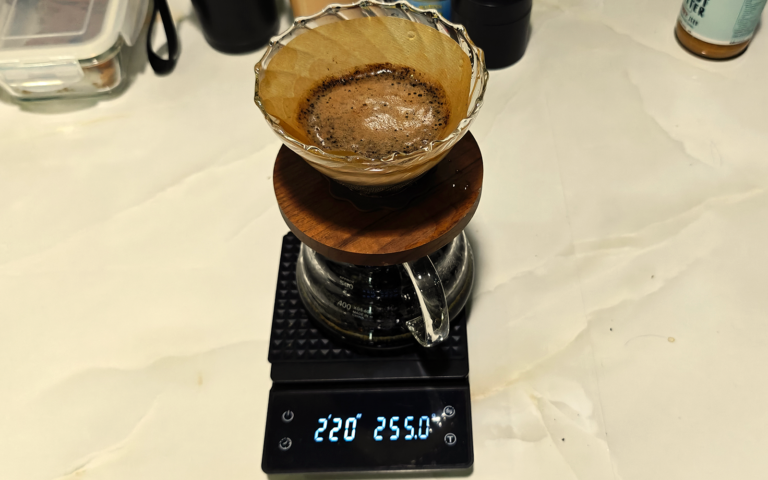
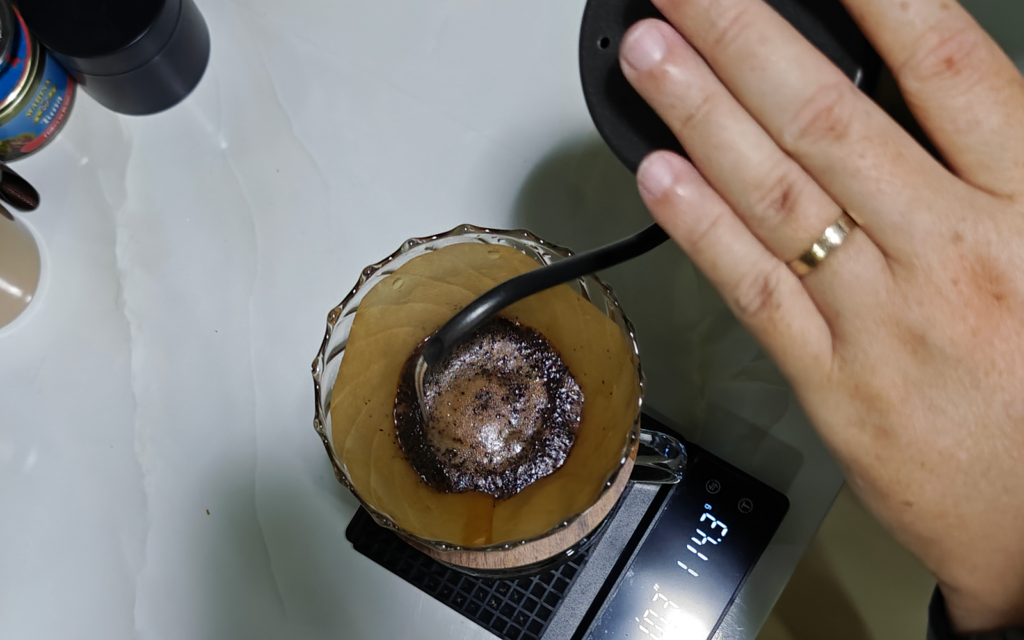
Different brewing methods pair better with specific roast levels.
| Brewing Method | Recommended Roast |
|---|---|
| Pour Over | Light to Medium |
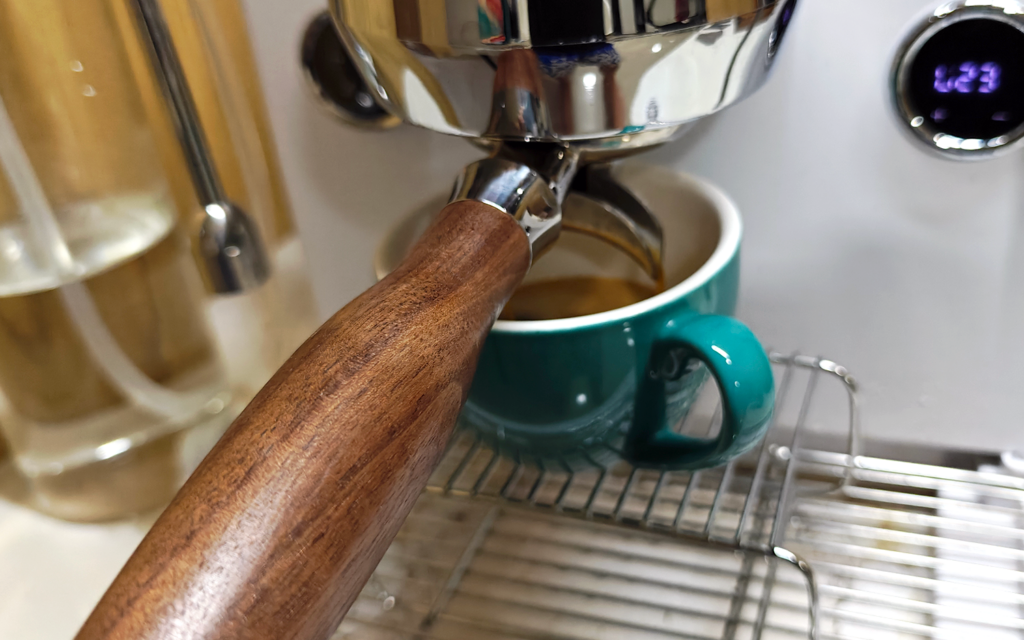
| Espresso | Medium to Dark |
| French Press | Medium-Dark |
| Cold Brew | Medium-Dark to Dark |
How Coffee Beans Are Roasted
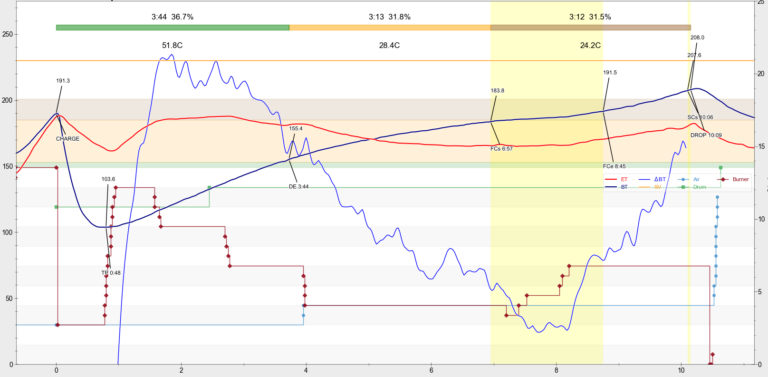
The roasting process involves heating green coffee beans to temperatures ranging between 370°F and 540°F (188°C–282°C).
The Science Behind Roasting
Several chemical reactions occur during roasting:
- Maillard Reaction
- Caramelization
- Sugar breakdown
- Oil development
- Moisture evaporation
These reactions create the familiar flavors and aromas associated with coffee.
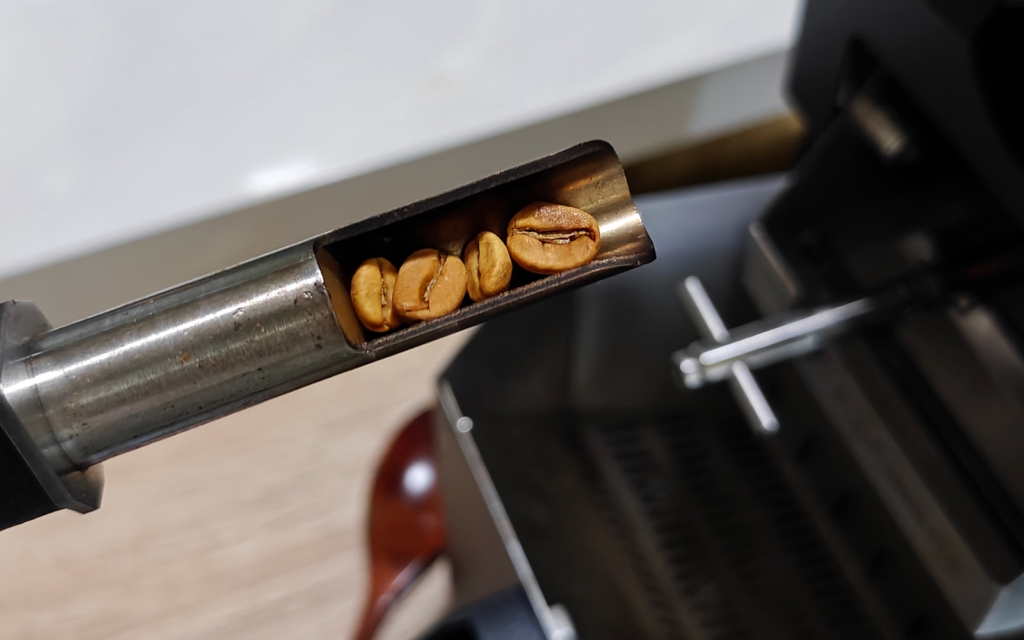
First Crack
The first crack occurs when internal moisture creates pressure, causing beans to audibly crack. This stage often marks light roast development.
Second Crack
The second crack indicates deeper roasting, where oils begin migrating to the bean surface and darker flavor profiles emerge.
FAQ
What is a roasted coffee bean?
A roasted coffee bean is a green coffee bean that has been heated to develop flavor, aroma, and color suitable for brewing coffee.
How long do roasted coffee beans stay fresh?
Most roasted coffee beans remain at peak quality for approximately 2–6 weeks after roasting when stored properly.
Should coffee beans be refrigerated?
No. Refrigeration can introduce moisture and unwanted odors. Store beans in an airtight container at room temperature.
Are roasted coffee beans healthy?
Yes. Roasted coffee beans contain antioxidants and caffeine, which may support mental alertness and overall wellness when consumed moderately.
What is the best roast for espresso?
Medium-dark to dark roasts are commonly preferred for espresso because they produce richer body and balanced extraction.
Why does roast date matter?
Freshly roasted beans provide superior aroma, flavor, and overall brewing performance compared to older beans.
Can roasted coffee beans go bad?
While they rarely become unsafe, they gradually lose freshness, aroma, and flavor over time.
Which roast is strongest?
Dark roast tastes stronger due to its bold flavor, but light roasts often contain slightly more caffeine by volume.
Conclusion
The Roasted Coffee Bean is the foundation of every memorable coffee experience. From its fascinating transformation during roasting to the diverse flavors it offers, understanding roasted coffee beans allows consumers to make better purchasing and brewing decisions.
Whether you enjoy a bright Ethiopian light roast, a balanced Colombian medium roast, or a bold dark French roast, appreciating the craft behind coffee roasting can elevate every cup. By selecting fresh beans, storing them correctly, and choosing the right brewing method, you can unlock the full potential hidden within every roasted coffee bean.