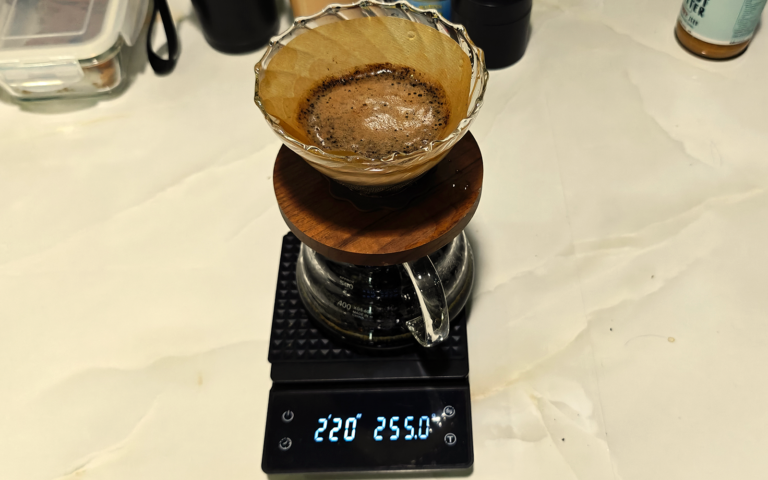
After executing what I consider my most successful roast to date—Mae Ukho’s second batch with balanced phase percentages and that perfect medium roast color—it was time for the ultimate test: the cup. I brewed it two ways: as an americano through my espresso machine and via V60 hand drip. The results revealed both the coffee’s character and the limits of my palate.
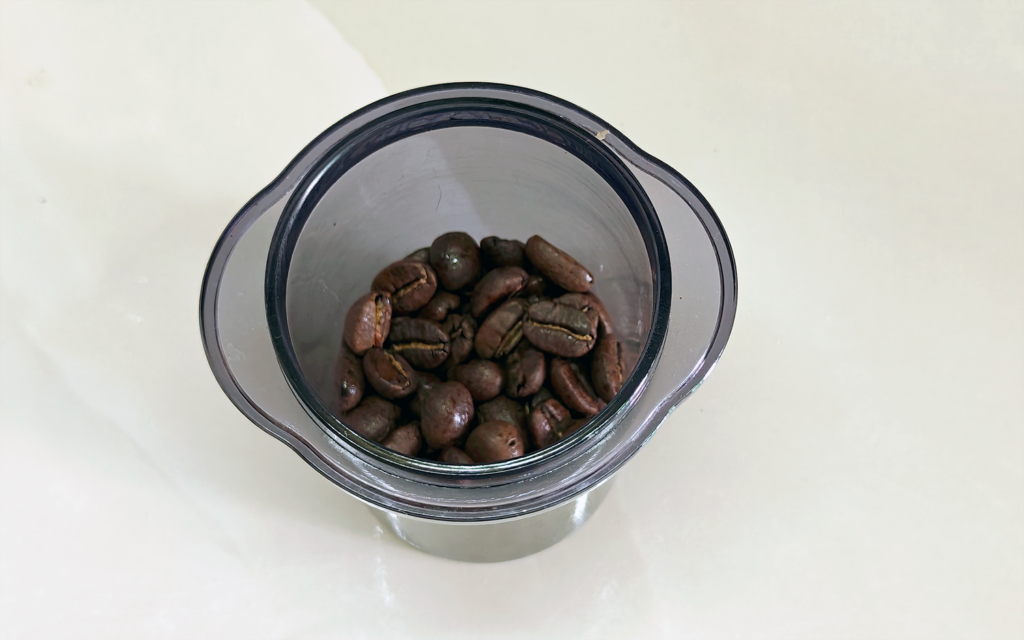
The Context: High Expectations
This Mae Ukho roast checked all my boxes:
- 5:27 Maillard time for sweetness development
- Precise 196°C drop for medium roast
- Balanced 38-39-22% phase distribution
- Visual confirmation of proper roast level
On paper, this coffee should showcase everything Mae Ukho promises: palm sugar, brown sugar, sweet chocolate, and complexity. I expected my best roast to deliver my best cup.
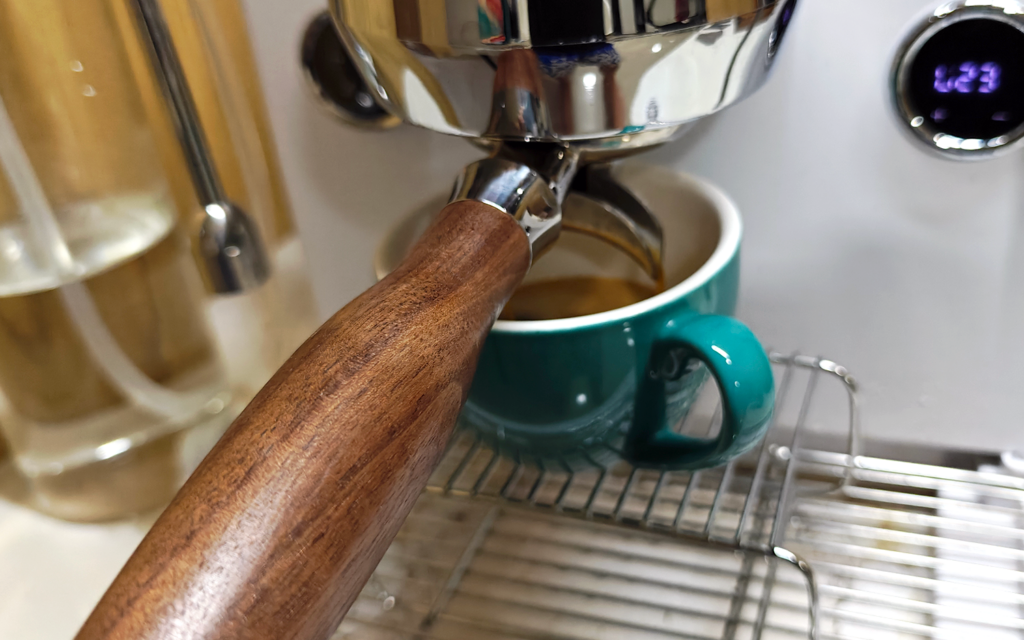
Brewing Test #1: Americano (Espresso + Water)
I pulled a standard espresso shot at 1:2 ratio, then diluted it with hot water for an americano—my preferred way to taste espresso-based coffee with clarity.
First Sip: Sour. Distinctly, prominently sour.
Not unpleasant sour—more like bright acidity that immediately grabbed attention. It had presence and energy, the kind of tartness that wakes up your palate rather than overwhelming it.
Finish: Dry. The aftertaste left my mouth feeling slightly parched, that tannic quality that some coffees carry through to the end.
My Verdict: I loved it.
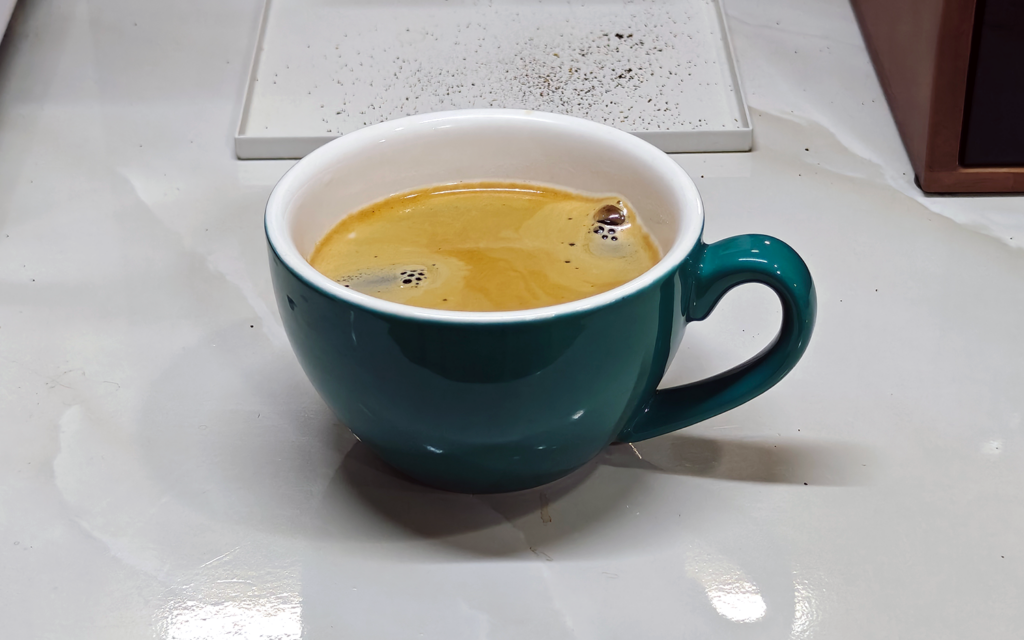
Here’s the thing—I personally enjoy sour, acidic coffees. That brightness is what I seek in medium roasts. Some people recoil from acidity; I lean into it. So while “sour with a dry finish” might sound like criticism, for my taste preferences, this americano delivered exactly what I wanted from a bright, developed coffee.
But where was the sweetness? The palm sugar and brown sugar I’d worked so hard to develop during that extended Maillard phase? Honestly, I couldn’t clearly identify it. Maybe it was there providing body and balance to the acidity, but it wasn’t jumping out as a distinct flavor note.
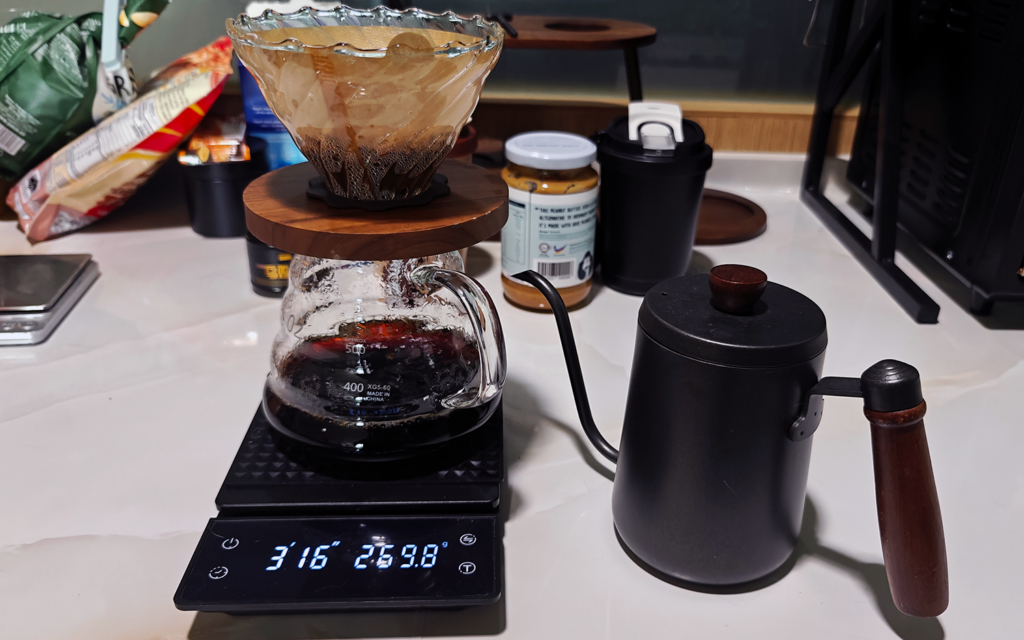
Brewing Test #2: V60 Hand Drip
Pour-over methods typically highlight clarity and can separate flavor components more distinctly than espresso’s concentrated extraction. I hoped the V60 would reveal those elusive sugar notes.
Taste Profile: Still sour—that bright acidity carried through in the hand drip as well, confirming it’s a characteristic of how this bean roasted, not just an espresso extraction quirk.
Sweetness: More noticeable than in the americano. The V60 did deliver more perceived sweetness, though I’m honestly not confident I could identify it as specifically “palm sugar” or “brown sugar.” It was sweetness—pleasant, balancing the acidity—but my palate isn’t refined enough to break it down into distinct sugar types.
Overall Impression: Balanced and enjoyable, with the acidity and sweetness playing together more harmoniously than in the americano.
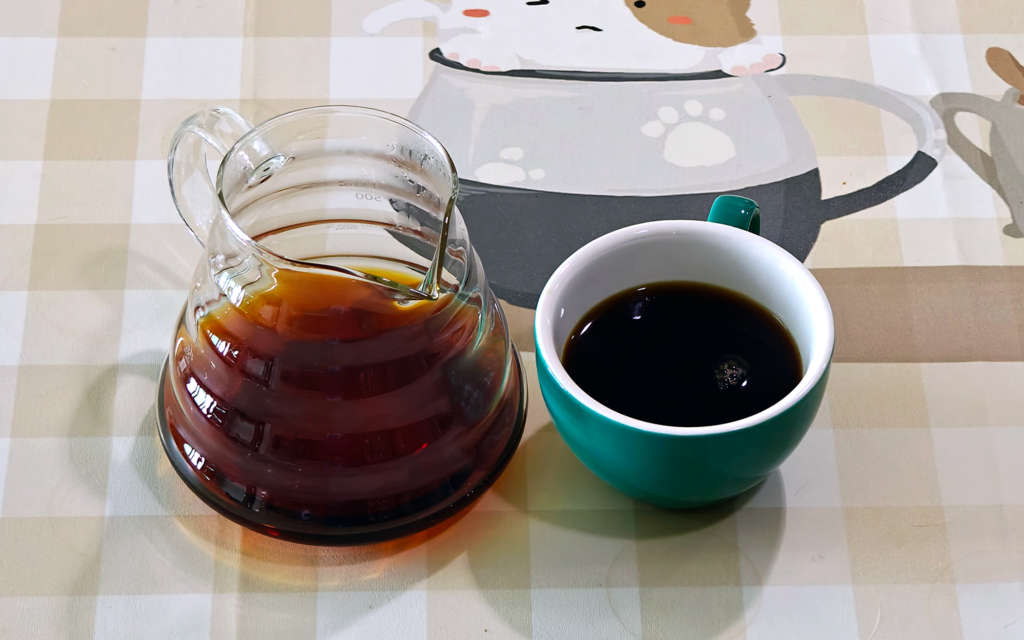
The Honest Truth About My Palate
This is where I need to be real: my sensory skills aren’t highly trained. Professional cuppers spend years developing the ability to isolate and identify specific flavor notes—caramel versus toffee, citrus versus stone fruit, brown sugar versus molasses.
I tried. I concentrated. I sipped thoughtfully, rolled the coffee around my palate, paid attention to the finish. I wanted to taste those specific notes I’d read about and roasted for.
But I couldn’t reliably identify them as distinct flavors. I tasted acidity (clearly), sweetness (generally), body, and finish. The nuanced complexity that professionals describe? Either it wasn’t there, or I lack the vocabulary and sensory training to perceive it.
And that’s okay. This is part of my learning journey—not just roasting technique, but also palate development.
What I Learned
About the Coffee: Mae Ukho roasted to this profile expresses bright acidity prominently. The sweetness is present but subtle, more apparent in hand drip than americano. The dry finish suggests good development without over-roasting.
About Brewing Methods: For this particular roast, V60 hand drip delivered a more balanced cup with clearer sweetness perception. Americano emphasized acidity and body. Neither was “wrong”—just different expressions of the same roast.
About My Palate: I have clear preferences (I love acidity) and can detect broad categories (sour, sweet, bitter, body), but distinguishing specific flavor notes like “palm sugar versus brown sugar” remains beyond my current ability. That’s a skill to develop alongside roasting technique.
The Big Question
Did my “best roast” succeed?
From a technical execution standpoint—yes. I hit my targets, controlled the phases, and produced the roast level I intended.
From a flavor standpoint—partially. The coffee is enjoyable (at least to my acid-loving palate), but I can’t confirm I achieved the specific flavor profile promised by the green bean. Either:
- My roast profile didn’t fully unlock those notes
- The notes are there, but my palate can’t detect them
- Some combination of both
The next step? Comparing this roast directly against roast #1 (380g, shorter Maillard) in a side-by-side cupping. Can I taste the difference that extended Maillard time should create? That will reveal whether the issue is roasting execution or palate development.
For now, I’m satisfied with a technically sound roast that produces coffee I genuinely enjoy drinking—even if I can’t eloquently describe why.
Brewing Verdict: Bright acidity, subtle sweetness, dry finish
Preferred Method: V60 hand drip for balance
Personal Rating: Delicious (for an acid-lover)
Next: Preparing another bean for roasting
Brew Parameters:
- Espresso: 1:2 ratio, diluted to americano
- V60: Standard pour-over technique
- Dominant Note: Sour/bright acidity
- Sweetness: Present but subtle, clearer in V60